Hybrid training: how to lift and run in the same week without wrecking both
2026-04-14
Hybrid training is lifting and running (or cycling, rowing, swimming) in the same program, consistently, week after week. Not alternating between phases. Both at once.
A lot of people already train this way without labeling it. They lift three days a week and run on the others. The question is whether to think about it systematically or just improvise.
Why hybrid training has an interference problem
Strength training and endurance work ask different things from your body, and at high enough volumes they start competing for the same recovery resources. This is sometimes called the concurrent training effect.
The practical version: if you're running 60+ km a week and also trying to add weight to your squat every session, at least one of those things will suffer. Your body doesn't have unlimited capacity for adaptation.
That said, "some interference exists at high volumes" is very different from "don't do both." The effect is mostly relevant at extremes. Most people aren't running marathon-level volume while peak strength training simultaneously. For everyone else, the two coexist fine.
What actually matters for hybrid training
A few things make a consistent difference in practice.
Keep the harder sessions separated if you can. Lifting in the morning and running in the evening creates some distance between the two stimuli. Stacking both in the same session amplifies fatigue without adding much.
If you do have to train twice in one day, lift first. Heavy compound lifts are neurologically demanding and degrade under pre-fatigue. A hard run before squats hurts your squats more than squats before a run hurt your run.
Run easy most of the time. The most common mistake in hybrid training is running too hard on every run. Most running volume should feel genuinely easy, conversational pace. This builds your aerobic base without generating the kind of fatigue that bleeds into your lifting. Save the hard running for the sessions that call for it.
Don't peak both at the same time. If you're building toward a race, accept that your strength numbers might stall for a few weeks. If you're on a strength block, keep running as maintenance. Trying to set PRs in both simultaneously, every week, is a fast way to feel terrible.
How AddFive fits in
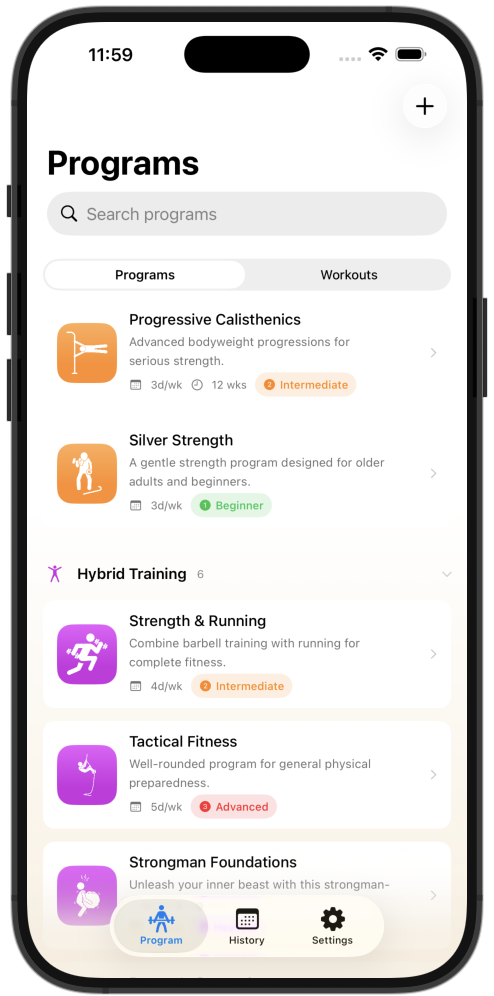
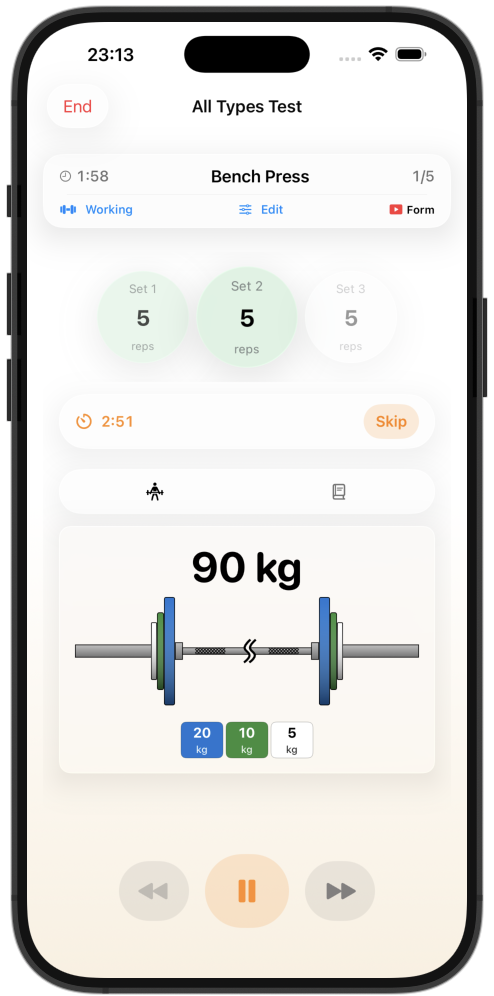
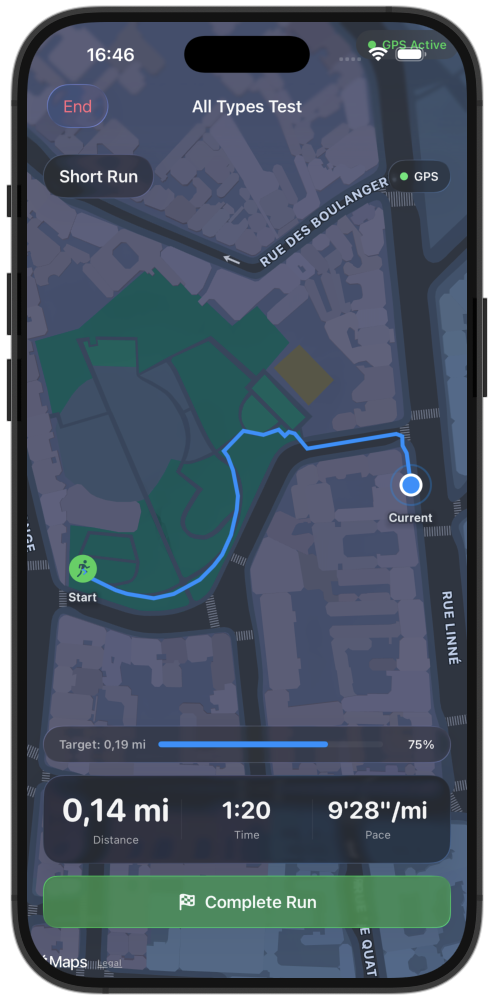
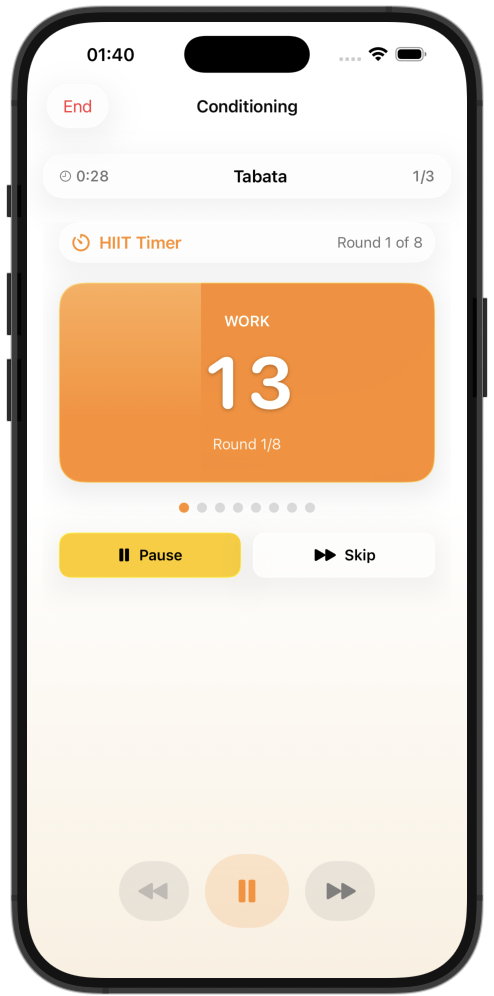
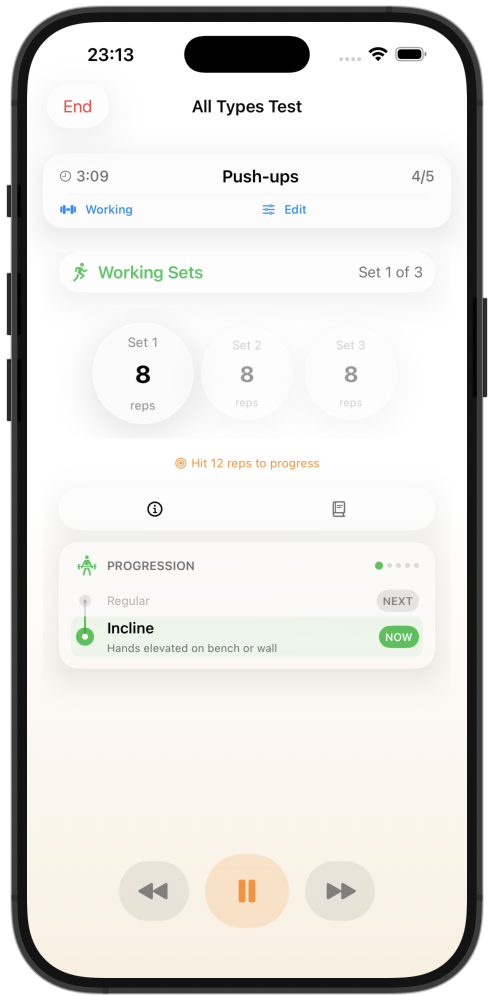
Lifting and running are both in the same app, with the same progression logic. Barbell work follows its configured algorithm (linear, double, etc.). Running targets a faster pace based on your recent average. The programs section includes dedicated hybrid programs that lay out the weekly structure across both disciplines.
The practical benefit is having one training history. You can look at your squat trend alongside your 5K pace trend. That context is useful when you're trying to figure out why one of them has stalled.
---
Related: what is progressive overload covers how the adaptation principle works across both disciplines. Linear vs double progression covers the strength side. How deloads work is especially relevant here since hybrid athletes often need them more than pure strength trainees.